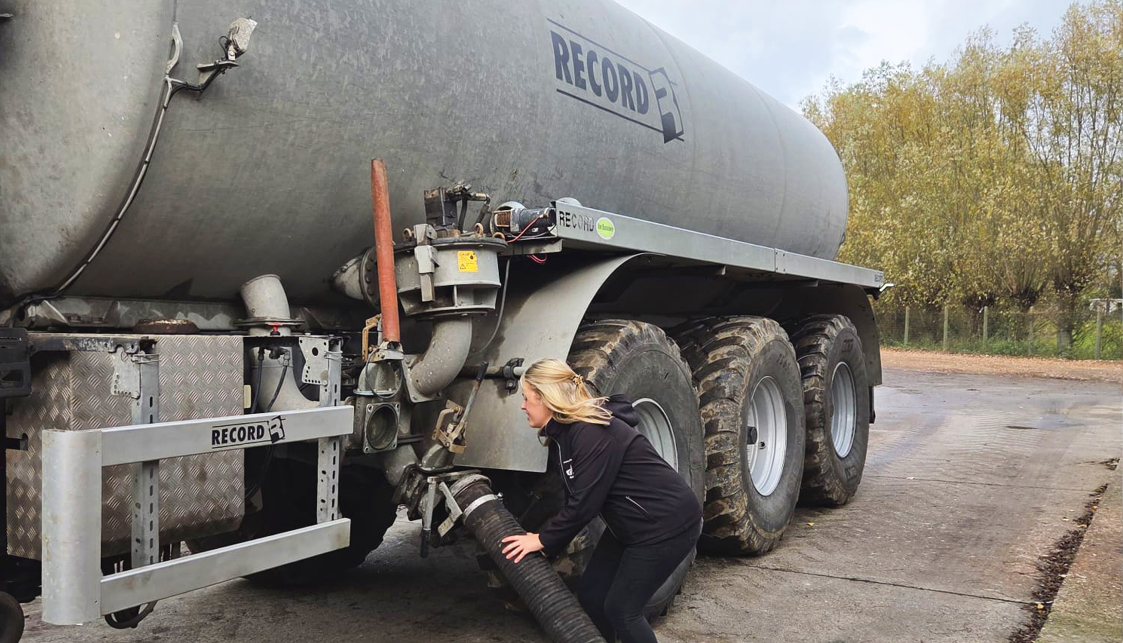
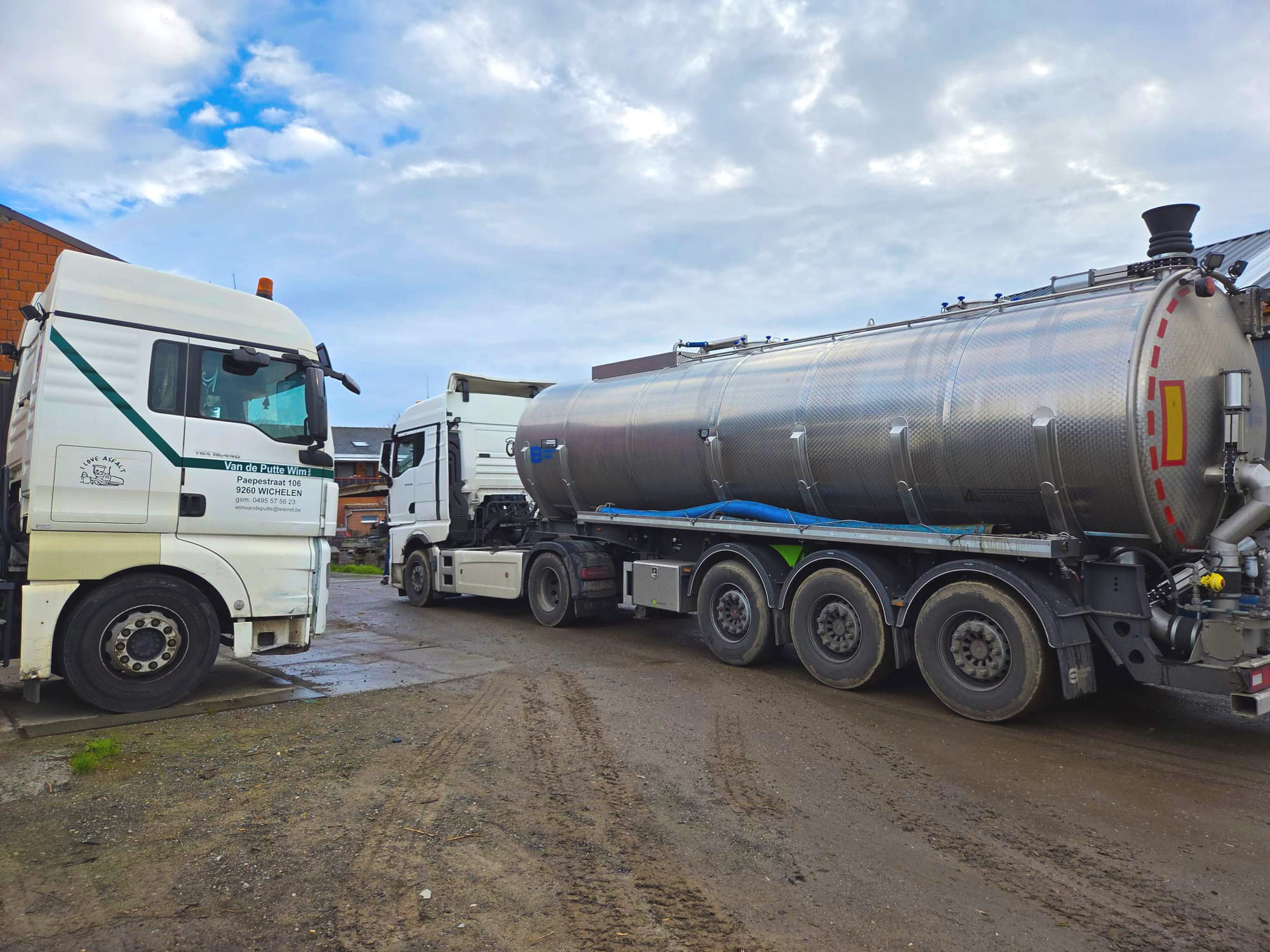
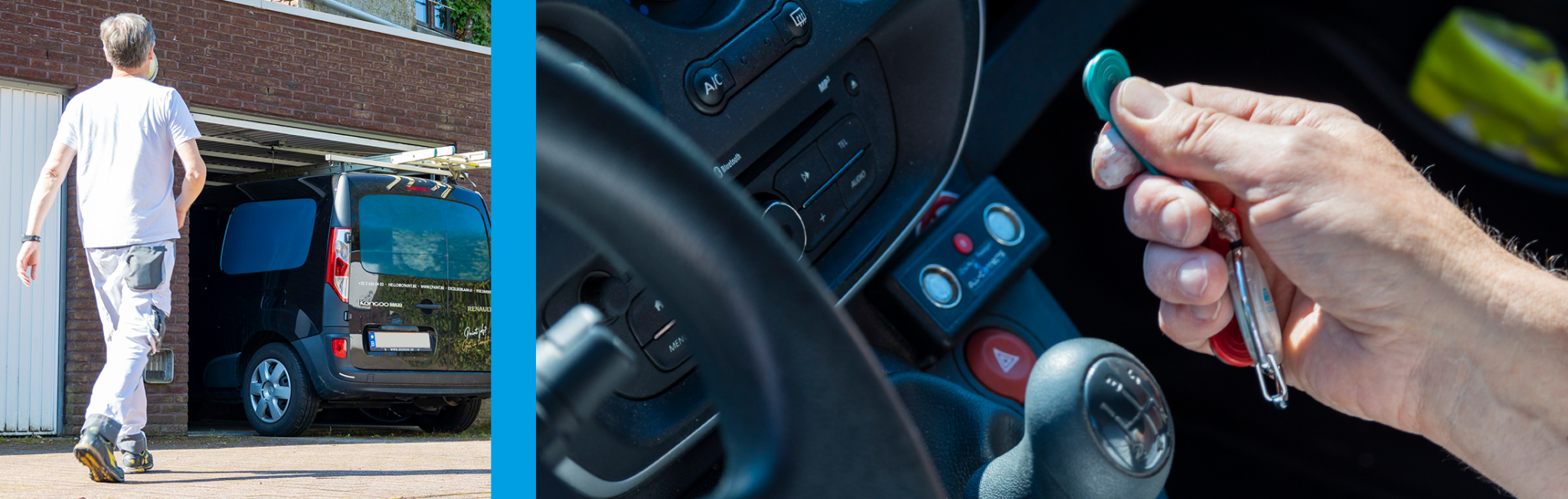
Streamline vehicle maintenance with predictive maintenance capabilities and remote diagnostics, and fuel management by tracking idling and other fuel-consuming habits. Data analytics and machine learning provide a way to further leverage telematics data. For example, fleets can use benchmarking to see how their fleet is performing in terms of safety compared to other similar fleets or to understand whether routes are structured in the best way.
Key aspects of fleet optimization:
-
Route Planning
Smart route planners analyze traffic data and choose the fastest and most efficient routes. This reduces fuel consumption, saves time and increases customer satisfaction. Read about AllConnects' route planning solution here . -
Maintenance management
Real-time monitoring allows you to plan maintenance based on vehicle usage. This prevents unexpected downtime and extends the life of vehicles. Read about preventive maintenance planning here . -
Fuel Management
Analysis of driving behavior and fuel use helps reduce waste. Fleet managers can train drivers to drive more efficiently to save costs. Read about our fuel monitor solution here . -
Driving behavior analysis
Telematics provides insight into driving behaviors such as hard braking, accelerating or unnecessary idling. By using this data, companies can improve driving behavior and increase safety. Read about our driving behavior analysis module here . -
Regulatory Compliance
Systems help ensure compliance with regulations such as driving and rest periods, CO2 emission standards and safety requirements.
Applications of fleet optimization:
- Logistics companies: Minimize delivery times and maximize vehicle utilization.
- Construction industry: Keep machinery and vehicles in top condition and avoid downtime.
- Services sector: Improve schedules and respond faster to customer inquiries.
Benefits of fleet optimization:
- Cost savings: Lower fuel consumption, less maintenance and more efficient use of vehicles.
- Safety: Addressing unsafe driving habits reduces accidents and damage.
- Sustainability: Fewer miles driven and more efficient routes reduce CO2 emissions.
- Efficiency: Real-time data provides greater control over the fleet, leading to better decision-making.
Read HERE about fleet management software