What is telematics?
Telematics is the technology that enables communication between vehicles and a central system. It combines GPS, wireless communications and data analytics to provide real-time insights into a fleet's performance. It is essential for companies to increase efficiency and reduce costs.
Why is telematics important for fleet management?
Telematics helps fleet managers better understand the usage of their vehicles, leading to better control, lower costs, and increased efficiency. For example, you can proactively schedule maintenance based on actual hours of use, minimize fuel wasted by idling, and improve safety by monitoring driving behavior. This makes telematics an essential tool for optimizing a fleet and reducing operational costs.
How does telematics work?
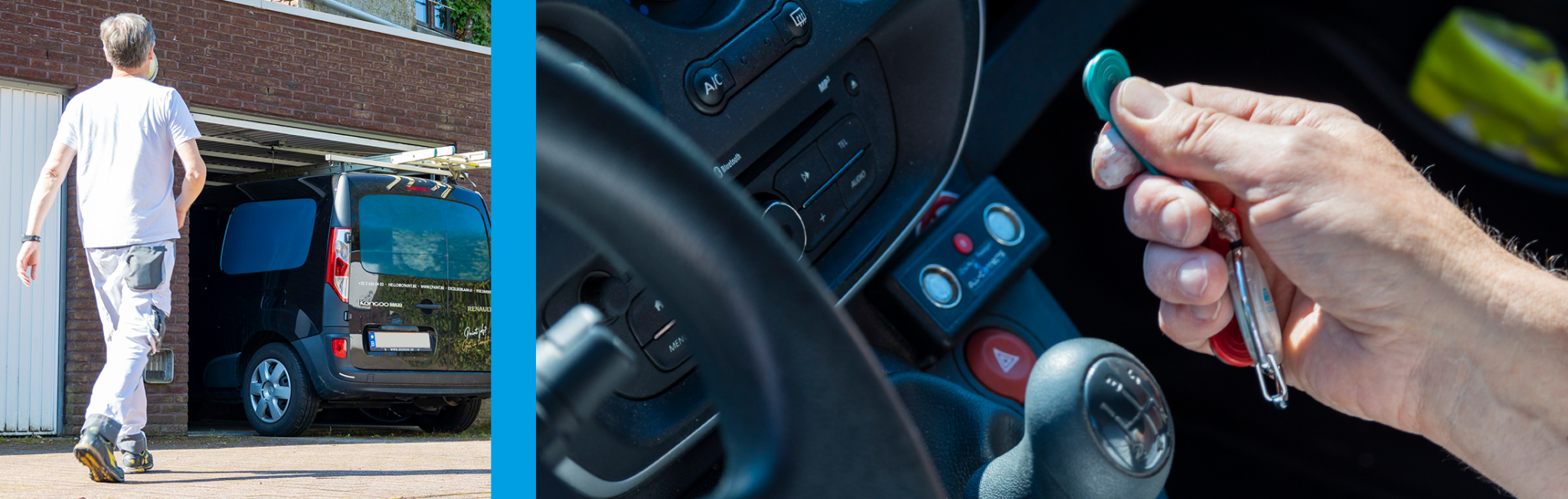
A telematics system works through a small computer (also called a "black box") that is installed in each vehicle. This box collects data from various sensors and sends it to a central software environment. Fleet managers can then track the performance of their vehicles in real time, generate reports and take action based on the insights gained.
What benefits does telematics offer for fleet management?
- Real-time monitoring: You always know where your vehicles are and how they are performing.
- Cost savings: By better understanding fuel consumption, maintenance needs and driving behavior, you can realize significant savings.
- Increased safety: Monitor driving behavior and receive notifications of dangerous situations to improve driver safety.
- Efficiency: Optimize routes, reduce downtime and ensure more efficient use of your vehicles.
- Less administration: Eliminate manual errors and simplify recurring tasks such as post-calculation of work hours performed, payroll calculation, etc.
What can telematics do for your fleet?
Telematics systems provide benefits for fleets in a variety of industries, including compliance requirements, safety and process optimization. Key industries include:
- Freight and Transport: Telematics supports driving time management, digital work records and driver safety with performance checks.
- Construction and agriculture: Real-time visibility into equipment usage and location helps with efficient planning, minimizes rental costs and prevents downtime through preventive maintenance. Read our blog on telematics for agriculture here.
- Retail and production: Telematics optimizes route planning, reduces cost per mile and simplifies administration.
- Rental and leasing: Provides oversight of asset use and location, prevents contract violations and ensures proper use.
- Passenger Transportation: Improves routes, responds to traffic situations and increases safety with maintenance and driver training.
How do commercial fleets use telematics?
Live tracking & managing vehicles
80%
Monitoring driving behavior for coaching
54%
Reporting actual miles driven
47%
Follow up route planning for delivery
44%